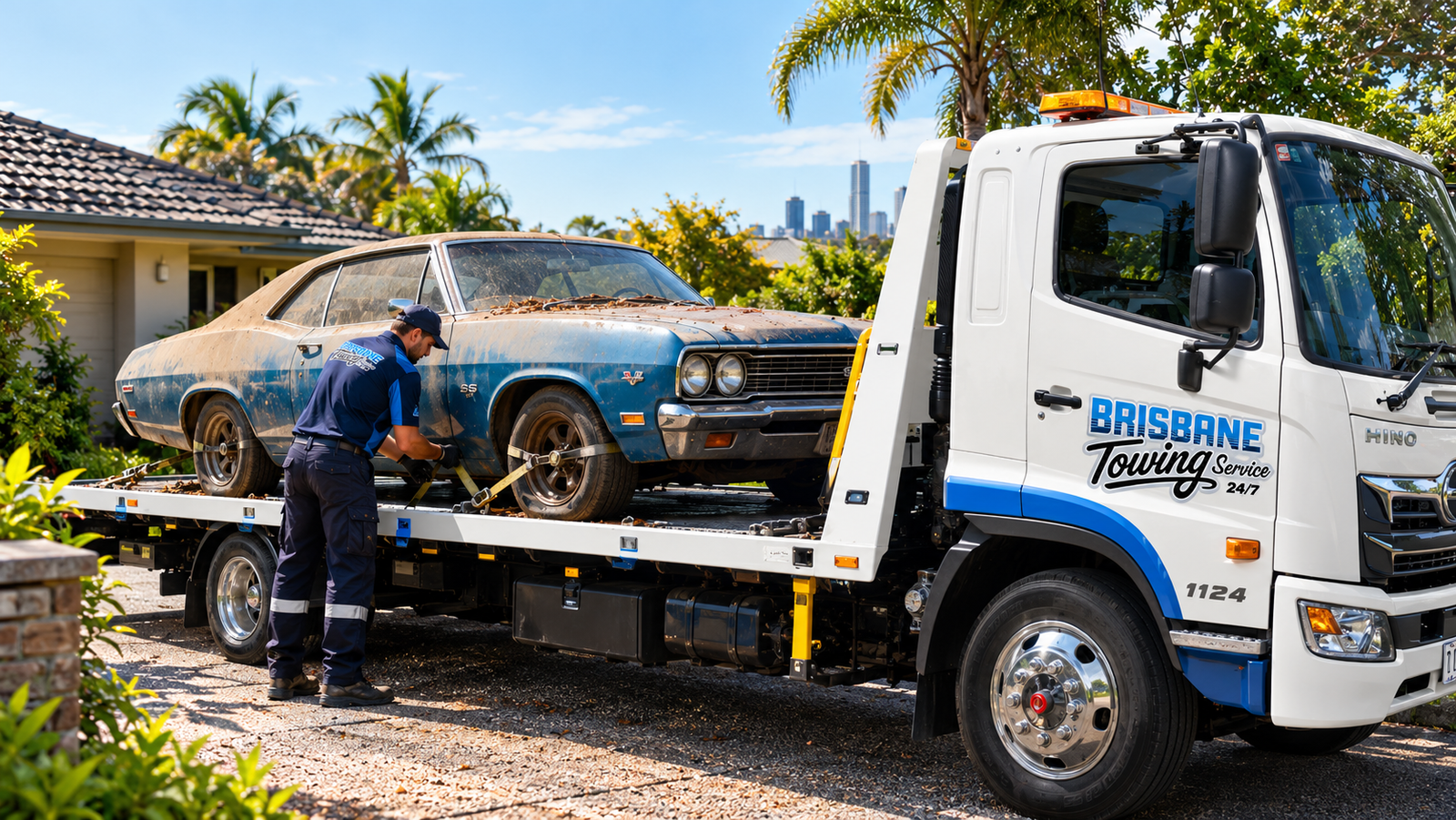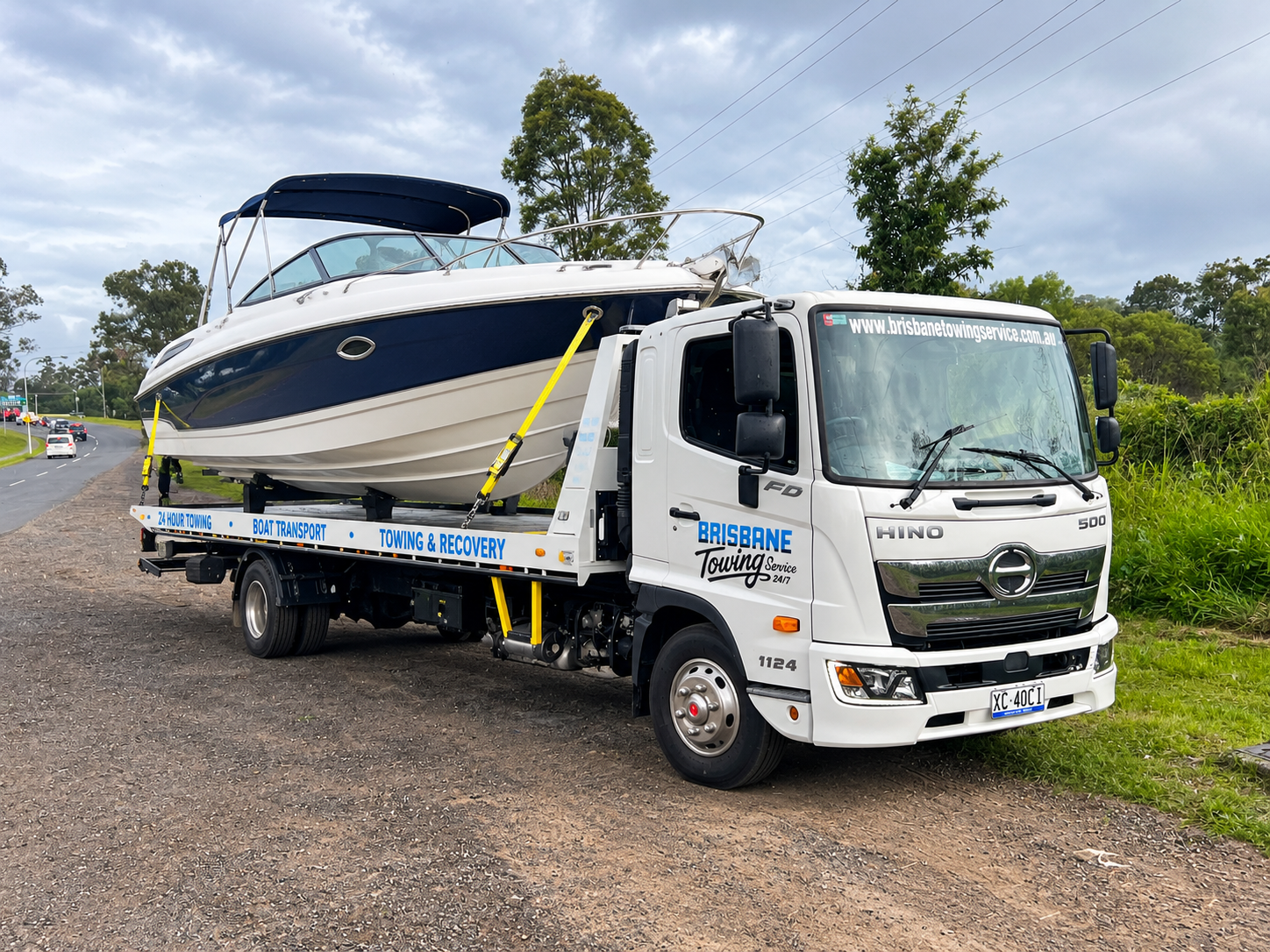

Moving a shipping container is not the same as moving a piece of furniture or a vehicle. In Brisbane, where container movements happen daily across industrial precincts like Acacia Ridge, Richlands, and Heathwood, and through the Port of Brisbane at Fisherman Islands, getting the process right from the first call to final placement is what separates a smooth job from an expensive, complicated one.
To move the container safely, choose the right truck for the container type, proper site assessment before arrival, correct securing and restraint during transport, and a driver with genuine experience in container handling.
Types of Shipping Containers — What Brisbane Operators Actually Move
Understanding which container type is being moved determines everything that follows — the truck required, the space needed at pickup and delivery, and the permit considerations that apply under Queensland's heavy vehicle regulations.
Standard Dry Van — 20ft and 40ft
The standard dry van is the most common container moved across Brisbane. Fully enclosed, weatherproof, and built for general cargo of any kind, these containers are the workhorse of both international shipping and domestic storage. A 20ft dry van weighs approximately 2.2 tonnes empty and can carry up to 28 tonnes of cargo. A 40ft version weighs around 3.8 tonnes empty with a similar cargo capacity. Both sizes require a heavy-rated flatbed tilt tray or side loader for safe transport — and the 40ft variant needs approximately 35 to 40 metres of clear space at both the pickup and delivery location for the truck to manoeuvre safely.
10ft and 8ft Containers
Shorter containers are increasingly common in Brisbane's residential and small commercial market. Home renovations, vehicle storage, temporary site offices, and small business storage drives consistent demand for 8ft and 10ft container moves across Brisbane's suburban corridors. These containers are significantly lighter and require less site clearance — 15 to 25 metres at pickup and delivery is generally sufficient — making them accessible for suburban locations where larger containers cannot be placed without extensive preparation.
High Cube Containers
High cube containers add approximately 300mm of height to the standard dry van dimension, bringing the total height to around 2.9 metres. This additional height affects route planning in Brisbane — particularly on roads with low overhead clearance, in industrial areas with fixed infrastructure, and in any urban delivery location where height restrictions apply. High cube containers are common in Brisbane's warehousing and manufacturing sector and require a driver who checks the full delivery route for clearance issues before loading.
Refrigerated Containers
Refrigerated containers maintain a controlled temperature environment for perishable goods — fresh produce, seafood, pharmaceuticals, and temperature-sensitive industrial materials. Brisbane's food production and export sector generates consistent reefer movement through the Port of Brisbane. These containers require additional handling consideration because the refrigeration unit is mounted at one end, adding weight and affecting the centre of gravity during transport. Specialised securing is required and the refrigeration unit's power requirements must be accounted for at the delivery location.
Site Office And Modified Containers
Brisbane's active construction sector generates substantial demand for modified container transport — converted offices, site lunchrooms, bathroom blocks, and custom-fitted storage units. These containers have been structurally altered from their original specification, which affects how they can be secured during transport and what equipment is required for placement. A modified container with internal fit-out including cabinetry, electrical wiring, and plumbing fixtures requires more careful handling than a standard empty unit — particularly during tilt tray loading where the angle of approach affects internal movement of fixed installations.
Steps To Move A Container
Site Assessment Before Anything Moves
The most common source of container transport problems in Brisbane is inadequate site assessment before the truck arrives. A 40ft container requires 35 to 40 metres of clear, flat, hard-standing ground at both pickup and delivery. The approach path needs to accommodate the truck's turning radius. Overhead clearances must be checked — trees, powerlines, awnings, and building eaves all create real access problems that are significantly harder to resolve once the truck is on site with a loaded container.
Brisbane's suburban delivery locations — residential streets in Sunnybank Hills, tight commercial sites in Fortitude Valley, construction sites in Springfield Lakes and Carindale — each present specific access challenges. A driver with genuine local knowledge assesses these factors during the booking process, not after arrival.
Correct Equipment Selection
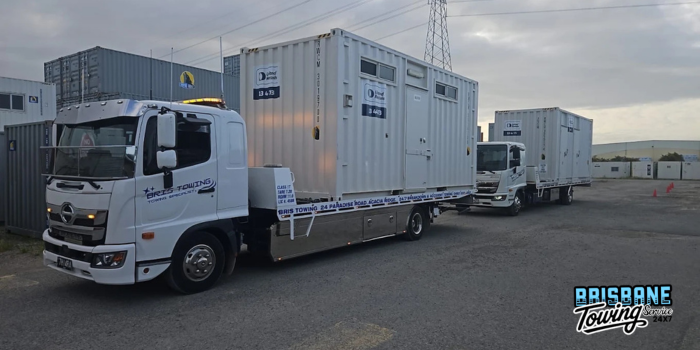
Tilt tray flatbeds are the most commonly used container transport vehicle in Brisbane. The container is winched onto the tray and secured before transport. This method works well for most standard containers in locations with adequate space. Side loaders offer more placement flexibility — the container is lifted from the side and can be placed precisely in tight locations where a tilt tray cannot reach. For containers that require crane placement — rooftop installations, locations with severely restricted ground-level access — crane hire is coordinated separately from the transport itself.
The critical point is that the equipment must be matched to the container and the location before dispatch, not discovered to be inappropriate after arrival. Brisbane Towing Service confirms equipment requirements during the booking call — container size, weight, site access details, and delivery location specifics are all established before any truck moves.
Proper Securing And Restraint
Queensland's Chain of Responsibility legislation — updated with new provisions expected to commence in mid-2026 — makes all parties in the transport chain accountable for load restraint compliance. This includes the operator requesting the transport, not just the driver. A container transported without proper twist lock engagement, inadequate chaining, or incorrect weight distribution is not just a safety risk — it is a legal liability for everyone involved in the movement.
The correct securing method depends on the container type and the transport vehicle. Twist locks engage the container's corner castings and prevent lateral movement. Chain restraints prevent fore-and-aft movement during braking and acceleration. Both are required for compliant container transport on Queensland roads. A professional operator confirms restraint compliance before leaving the pickup location — not as a formality but because an unsecured container on a Brisbane motorway creates consequences that go well beyond the transport job itself.
Route Planning For Brisbane Roads
Brisbane's road network creates specific considerations for container transport that drivers unfamiliar with the city consistently underestimate. The Gateway Motorway and Logan Motorway handle the majority of heavy vehicle movements across the city, but inner-city deliveries to Spring Hill, West End, Teneriffe, and the CBD require careful route selection — particularly for high cube containers where overhead clearance on older infrastructure becomes a genuine constraint.
Industrial deliveries to Acacia Ridge, Richlands, and Heathwood are typically straightforward given the wide roads and industrial-grade access in these precincts. Port of Brisbane pickups through Fisherman Islands follow established container movement routes that experienced Brisbane operators know well. The variables emerge in residential and inner-urban deliveries where the road environment changes significantly from the wide industrial corridors that most container transport begins and ends in.
Placement And Final Positioning
Container placement at the delivery location requires the same clear space as loading — approximately 35 to 40 metres for a 40ft container, 15 to 25 metres for shorter units. The delivery surface must be flat, firm, and capable of supporting the container's weight. Soft ground, uneven surfaces, and inadequate drainage all create problems after placement — doors that will not open because the container has settled at an angle, water pooling under the floor due to surface irregularity, and structural stress from uneven support points.
If crane placement is required — for a container being positioned on an upper level, in a courtyard with no tilt tray access, or in any location where ground-level tilt tray delivery is not possible — this is coordinated before the transport job begins, not discovered and resolved on site.
Explore These Helpful resources also:
Drivers Are Ignoring Vehicle Warning Signs
Transport Guide For Luxury Car Towing
Understanding Container Towing Laws
How Brisbane Towing Service Provide Better Shipping In Brisbane
Brisbane Towing Service operates a 7-tonne heavy lift truck specifically for container towing and heavy transport across Brisbane, Logan, Gold Coast, and Ipswich. Every container job begins with a direct conversation about the container type, weight, pickup location, delivery location, and any site access considerations that affect which equipment is dispatched and how the job is planned.
Upfront quotes are provided before any truck moves. Direct insurance billing is available for commercial container moves. The company operates 24 hours a day across all Greater Brisbane locations — including Port of Brisbane pickups, industrial precinct deliveries across Acacia Ridge, Richlands, Capalaba and Heathwood, and suburban placements across Brisbane's full residential and commercial spread.
Final Thoughts
In this we have done a complete breakdown of the different types of shipping containers and the right way to move each one safely across Brisbane roads. We understand how important and daunting moving containers can be for businesses and homeowners alike. But having the right information and support will make the entire process a lot simpler.
If you are looking for trustworthy advice or professional container towing services, Brisbane Towing Service 24*7 is ready to assist you. Call us on 0466 890 373 to start a discussion.