
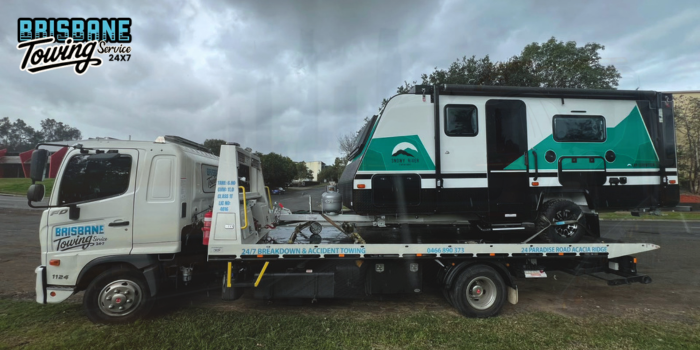
Buying a caravan is the easy part. Working out which coupling will actually keep it attached to your car through a Queensland pothole, a windy overtaking lane, or a rutted track out past Moreton Bay is where most first-time tow owners get stuck. There are more caravan tow hitch types on the market than most dealers bother explaining properly, and picking the wrong one doesn't just mean a rougher ride but it can mean a genuine safety risk. This guide breaks down the main coupling systems used across Australia, what they're actually built for, and how to figure out which one suits your rig. And if a coupling ever does let you down on the road, a reliable tow truck in Brisbane is only a phone call away, but the goal here is to help you avoid that call in the first place.
What’s the Coupling Matters
The coupling is the single point holding several tonnes of caravan to the back of your vehicle. Everything else — your suspension, your brakes, your steering feel — is downstream of whether that coupling is rated correctly, matched to your tow ball, and suited to the terrain you're actually driving on. A coupling that's fine for smooth highway touring can be the wrong choice entirely for corrugated dirt roads, and vice versa. Getting this right at the start saves you from handling problems, premature wear, and in the worst cases, separation on the road.
Ball Couplings: The Standard Choice
The ball coupling is what most Australians picture when they think of a caravan hitch. It's a rounded socket that clamps down over a 50mm tow ball on the vehicle, and it's standard fitment on the large majority of caravans sold in Australia for sealed-road touring.
What makes ball couplings popular is simplicity. They're straightforward to hitch and unhitch, widely available, and every mechanic and caravan servicing outlet in the country knows how to maintain one. For a caravan that mostly sees highway kilometres and the occasional gravel caravan park driveway, a well-maintained ball coupling does the job reliably.
The trade-off is flex. A ball coupling has a limited range of articulation, which means on rough or uneven terrain it can come under more lateral and vertical stress than it's designed to handle. That's where off-road-specific couplings come in.
Off-Road Caravan Coupling Options
If your travels involve anything beyond bitumen — corrugated outback roads, sand tracks, or steep, uneven caravan park sites — a standard ball coupling starts to show its limits. This is where an off-road caravan coupling earns its keep.
DO35 couplings are the most common off-road option in Australia. Rather than a ball-and-socket design, the DO35 uses a pin-and-clamp mechanism that grips a solid coupling pin rather than a ball. This gives it significantly more articulation, letting the caravan pitch and twist independently of the tow vehicle over rough ground without transferring that stress straight into the chassis. DO35 couplings are rated for far higher off-road loads than a standard ball, which is why they're the go-to for caravans built with 4WD touring in mind.
Poly block and cushioned couplings sit between the standard ball and the DO35. They use a rubber or polyurethane block instead of a rigid ball socket, absorbing shock and reducing the jarring, clanking feel of towing over rough surfaces. They're a reasonable middle ground for drivers who do occasional gravel touring but aren't tackling serious off-road tracks.
Articulating couplings, sometimes paired with a DO35 pin, add a rotating joint that allows the caravan to twist independently through dips, washouts, and uneven camp sites. These are common on serious off-road vans built for remote touring, where the coupling needs to handle movement in multiple directions at once.
Choosing the right off-road caravan coupling comes down to being honest about where you actually tow, not where you might tow one day. A DO35 setup is overkill — and unnecessarily expensive — for a van that only ever sees sealed roads. Equally, a standard ball coupling is the wrong call for anyone planning serious outback or 4WD touring.
Weight Distribution Hitch Australia Drivers Should Understand
A weight distribution hitch (WDH) isn't a coupling type on its own — it's an add-on system that works alongside your existing coupling to solve a different problem: how the caravan's weight sits across your tow vehicle.
When a caravan is hitched, weight naturally shifts onto the tow ball and pushes down on the rear of the vehicle. This lifts the front end slightly, reducing steering precision and front-tyre grip, and can throw your headlight alignment out as well. A weight distribution hitch Australia caravanners rely on uses spring bars, tensioned between the hitch head and brackets on the caravan's chassis, to redistribute that downward force back onto the tow vehicle's front axle and across the caravan's own wheels.
The result is a rig that sits level rather than sagging at the rear, with steering, braking, and stability that behave the way the vehicle was designed to. For anyone towing a caravan with a tow ball weight that sits toward the upper end of their vehicle's capacity, a WDH moves from "nice to have" to genuinely important safety equipment.
Don’t forget to check out these resources:
Sand Recovery Tips For 4WD Drivers
Wide Load Towing Costs In Brisbane
Getting Tow Ball Weight Australia Standards Right
None of this works without an accurate figure for tow ball weight. Australia's road rules set out clear limits for how much downward force is allowed at the tow ball, and exceeding it — even without realising — affects handling, braking distance, and legal compliance.
A few points worth knowing:
-
Tow ball weight typically sits between 8% and 15% of the caravan's total towed weight, though this varies by van and load.
-
It should be measured with a proper set of tow ball scales, not estimated by feel or guesswork.
-
It changes every time you load the caravan differently — extra water, gas bottles, or gear can shift it meaningfully.
-
Both your vehicle's tow bar rating and your coupling's rated capacity need to accommodate the actual tow ball weight, not just the caravan's total weight.
Getting an accurate tow ball weight reading before setting up a weight distribution hitch isn't optional — it's the figure everything else is calculated from.
Matching Your Coupling to Your Setup
A simple way to think about it:
-
Sealed roads, standard touring caravan: A well-maintained ball coupling is usually sufficient.
-
Mixed touring with some gravel or corrugations: A poly block or cushioned coupling adds durability without the cost of a full off-road setup.
-
Serious off-road or remote touring: A DO35 or articulating coupling, matched with a properly set-up weight distribution hitch, is the safer long-term choice.
Whatever combination you land on, get it checked by someone who works with tow setups regularly, particularly before a long trip. A coupling that's slightly mismatched to your load or terrain often shows no obvious symptoms until it's under real stress on the road.
When Something Goes Wrong on the Road
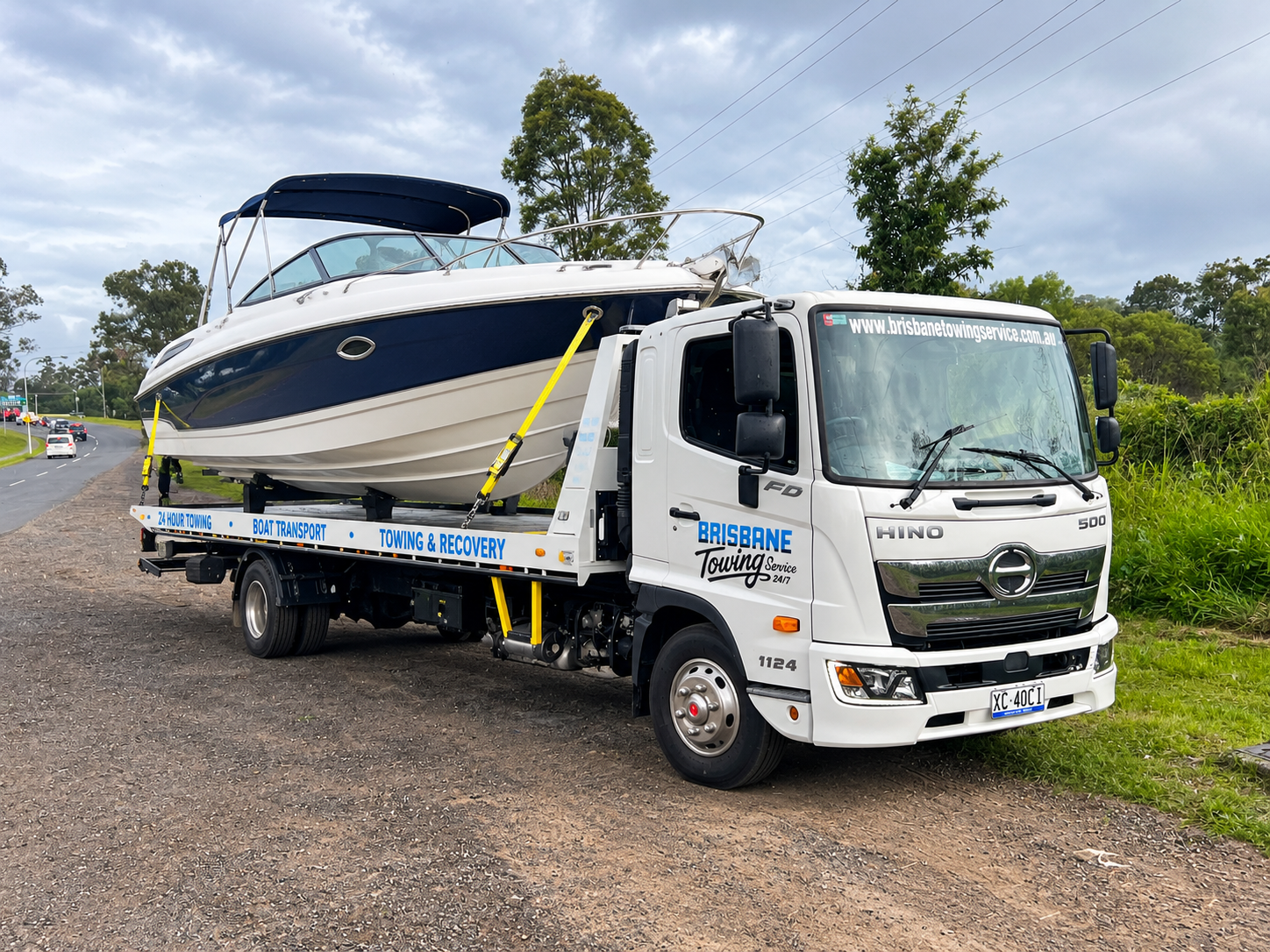
Even a correctly matched coupling and hitch setup can run into trouble — a worn pin, a coupling that's seized up, or a caravan that's come off level after a long day of corrugations. If that happens anywhere around Brisbane, Logan, Ipswich, or the Gold Coast, Brisbane Towing Service is available 24/7 to get you and your caravan safely off the road and sorted. Our team handles caravan and boat towing regularly and knows what to look for when a coupling or hitch setup isn't behaving the way it should.
Call 0466 890 373 anytime, or get in touch through our Caravan and Boat Towing page to book a service in advance of your next trip.
People also call us for: